Before the First Beat: How UK Mix Series Build a Brand You Can Hear
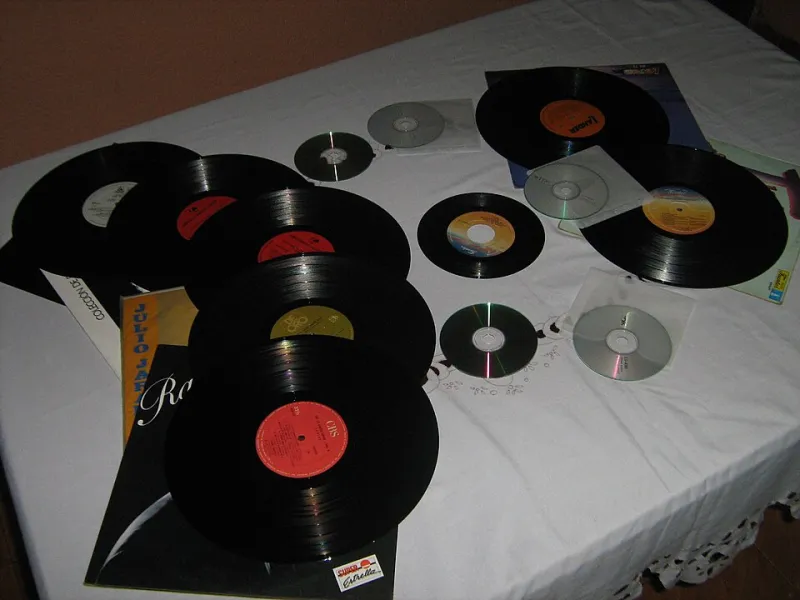
Photo: Elberth 00001939, CC BY 3.0, via Wikimedia Commons
You can often tell a mix series before you press play. The artwork has a certain grain. The title follows a pattern. The tracklist notes are either absent or written like a short story. Then the first track starts and the hunch is confirmed: this is the same selector, or the same curatorial world, doing the thing they do.
That is the quiet power of a mix series. It is not just a collection of sets. It is a repeated promise. The listener knows roughly what they are getting — not the exact tracks, but the temperature, the pace, the visual language and the way one tune will be allowed to bleed into the next. In a crowded UK scene, that recognition is everything.
The style sheet idea
Think of it as a style sheet: the repeatable choices that make a mix series feel like itself. Artwork palette, typeface, naming grammar, tracklist format, transition signature, even the length of the intro before the first beat properly lands. None of these things are accidental when a series lasts. They are the equivalent of a DJ's handwriting.
This is the CSS Mixes idea in practice. Curation is not just choosing good records. It is building a frame that tells the listener how to hear them. A strong mix series does that frame consistently, release after release, without becoming a straitjacket.
Case study one: Southbank Signal
Southbank Signal is a London-based series that looks like a printed notice and sounds like a basement at 2am. The artwork is all grain, tight sans-serif type and a two-colour palette — red and a cold, almost medical blue. The naming is numerical: Signal 001, Signal 002, Signal 003. No moody subtitles, no long artist statements. The restraint is the point.
Sonically, the series sits in the 140 to 160 BPM zone, moving between breakbeat, techno and the harder end of UK bass. The signature is a cold open: no ambient intro, no slow fade. The first track is usually already in motion, and the selector makes a hard cut into the second within the first two minutes. It is a brand built on impatience, but a very deliberate kind.
The tracklist arrives with a short note, often just a location and a time. That small editorial choice does a lot of work. It makes the mix feel like a document of a night rather than a playlist. Listeners recognise the format before they recognise the tunes.
Case study two: Moss Side Frequencies
Moss Side Frequencies comes from Manchester and feels warmer straight away. The artwork uses risograph-style textures, green and orange, with hand-set type that looks like a community newsletter. The naming is Freq 01, Freq 02, Freq 03 — friendly, not clinical. The series feels less like a club night advert and more like a regular radio show you might stumble on in a café.
That warmth carries into the sound. House, soul, broken beat and the occasional slice of bruk. The transition signature is a slow blend that lets two vocals overlap for a few bars, creating a small moment of suspension before the drums lock in. It is not flashy, but it is consistent. Regular listeners know that moment is coming, and the series would feel wrong without it.
Tracklist curation is where Moss Side Frequencies really builds its identity. Each edition includes at least one local producer and one older record that explains the newer one. The notes are written in full sentences, sometimes with a memory attached. The result is a series that feels curated by a person, not an algorithm.
Case study three: Coastal Current
Coastal Current is a Brighton-born series with a tidal aesthetic: blue artwork, tide-chart lines, small caps and a lot of negative space. The naming is Current 01, Current 02, Current 03. It sounds like a gallery leaflet, and that is clearly the intention. The visual identity is calm, but the mixes are not background music.
Sonically, Coastal Current roams through dub, ambient, bass and the softer end of techno. The transition signature is field recordings — a seagull, a train announcement, rain on a window — used as a bridge between tracks. It could be gimmicky. It works because the recordings are treated as part of the mix rather than decoration. They give the series a sense of place without turning it into a postcard.
The tracklists are curated like an exhibition. Tracks are grouped under small headings, and the notes often mention why one record follows another. That editorial layer is the brand. You could hear two Coastal Current mixes back to back and know they belong together, even if the genres shift.
What makes a mix series recognisable
The common thread is not a single aesthetic. Southbank Signal is severe, Moss Side Frequencies is warm, Coastal Current is atmospheric. What they share is discipline. They repeat the right things: a visual palette, a naming system, a sonic range and a transition habit. They do not reinvent the frame every time.
That repetition is not laziness. It is how listeners learn to trust a series. In a UK mix landscape full of one-off sets and algorithmic playlists, a recognisable style sheet says: this is a place, not just a post. You can come back.
The risk is over-branding. If the artwork is louder than the music, or the naming system becomes a puzzle, the frame starts to get in the way. The best series keep the identity obvious but light. They let the tracks do the talking, then use the format to make sure you remember where you heard them.
The takeaway
A mix series becomes a brand when its choices start to feel inevitable. The artwork, the title, the first thirty seconds, the way one track gives way to the next — together they create a listening experience that is repeatable without being identical.
That is curation as identity. Not just what you play, but how you present it, again and again, until the listener knows the shape of the set before the first beat drops. In the UK scene, that is how a series stops being a link and starts being a habit.