Six Cities, Six Signatures: The Regional Scenes Redrawing UK Mix Culture
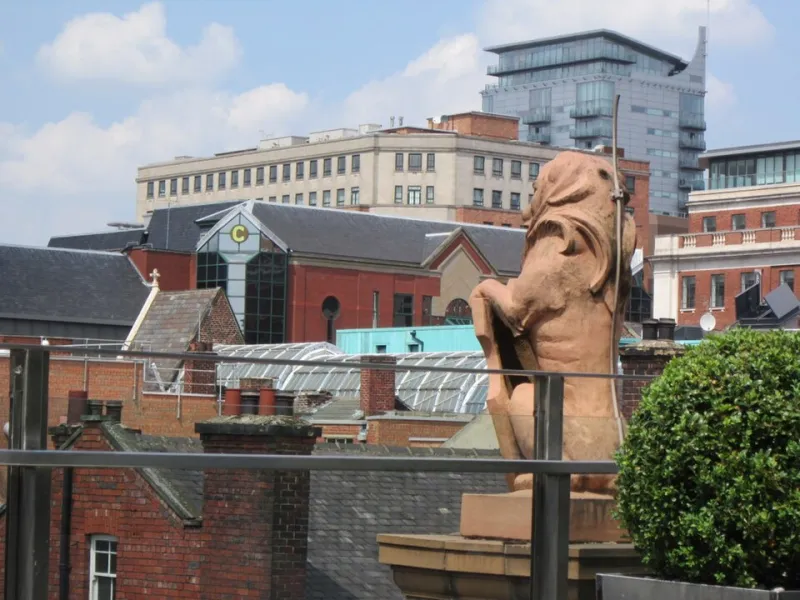
Photo: Ian S , CC BY-SA 2.0, via Wikimedia Commons
London is where the industry lives, which is not the same as where the music is made. Anyone who has spent a Saturday night on a train home from Leeds, Glasgow or Cardiff knows the gap between what gets covered and what actually moves a room.
So here is the case for looking elsewhere — six cities, each with a recognisable mix aesthetic, each shaped by very different local conditions. Some of it is down to venues. Some of it is down to radio. Quite a lot of it is down to how far away the next big city is.
Bristol: pressure and patience
Bristol's sound-system lineage runs deep — the St Paul's carnival tradition, the dub-plate mentality, the trip-hop afterlife — and it shows in the way the city's selectors handle low end. Mixes from Bristol tend to be slower than you expect and heavier than they need to be, with long sections where almost nothing happens except bass.
Community stations such as Noods Radio have given the city's younger DJs a place to work out ideas in public, and the result is a mix culture that is comfortable with murk. Sets here often run past the two-hour mark without apology. Nobody is in a rush, because the records do not need the help.
Manchester: the digger's city
The word that keeps coming up in Manchester is 'eclectic', usually said with a slight sigh by people who think it means 'no direction'. It does not. Manchester warm-ups move between soul, broken beat, jazz refixes and sturdy house with the confidence of people who own a lot of records and are not precious about genre.
Reform Radio and the Ancoats cluster of small venues have kept that spirit alive, and the city's mix series reflect it — long, generous, full of left turns, and unusually good at holding a groove while changing the subject entirely.
Glasgow: warm, fast and unbothered
Glasgow's reputation for hard, fast, percussive music is deserved, but it is only half the story. What makes a Glasgow mix recognisable is not the tempo — it is the personality. These are conversational sets, full of odd edits and gleeful escalations, made by people who seem to be enjoying themselves enormously and expect you to do the same.
Radio Buena Vida and a dense network of small rooms have kept the pipeline going, while the city's long club lineage gives younger selectors a set of standards to ignore productively. The reggae and dub thread that runs through Glasgow's underground is the underrated part: listen for the second half of any local three-hour set.
Leeds: functional, fast, unpretentious
Leeds has a huge transient population, a big student turnover and a genuinely serious underground underneath it — a combination that produces mixes obsessed with function. These are sets built to work: tight, fast, low on chat, high on pressure. Hardgroove, techno, bass and a strong thread of DIY recordings made on borrowed gear.
KMAH Radio has been a reliable meeting point, and the city's venue network means a selector can play four different rooms in a month and learn something from each. If you want a mix that behaves like a tool rather than a statement, Leeds is where to look.
Cardiff: bilingual, DIY, quietly confident
Cardiff's mix culture is shaped by two things London rarely has to think about: a bilingual music scene and a small, tightly connected network of venues and stations. Welsh-language vocals turn up in sets where you would not expect them, and genre boundaries are looser as a result — drum & bass next to shoegaze next to something entirely unclassifiable.
The DIY recording ethos here is strong. A lot of Cardiff mixes are made at home, on modest setups, and released without much fanfare, which gives them a rawness that bigger-city productions often sand off.
Belfast: small rooms, big commitment
Belfast's underground runs on a handful of rooms, a loyal crowd and a generation of DJs who grew up in the long shadow of the city's club institutions. The result is a mix aesthetic that is gritty, fast and unusually cohesive — you can hear the same people in the crowd and in the booth, and the sets reflect that intimacy.
Post-pirate-radio habits survive here in the best way: hand-to-hand recordings, low-key releases, and a suspicion of anything that looks like it was made for an algorithm. Belfast mixes rarely explain themselves. They assume you were there, or that you will be next time.
What the six have in common
Strip away the local detail and three things keep recurring.
- Community radio as distribution. Noods, Reform, Buena Vida, KMAH and their equivalents do the job that national press will not: they let a selector build an audience slowly, over years, without a marketing budget.
- Small rooms as research labs. Almost every distinctive regional sound in this list was worked out in front of eighty people, not eight thousand. Mixes made in those rooms sound different because the feedback loop is faster.
- Mix series as local archives. The most useful thing a scene can do is record itself. Several of these cities now have informal catalogues running to dozens of volumes — unglamorous, badly tagged, and completely irreplaceable.
Where to start
The temptation is to treat regional scenes as a novelty, a nice alternative to the capital. That framing misses the point. Bristol, Manchester, Glasgow, Leeds, Cardiff and Belfast are not producing a variant of London's mix culture — they are producing their own, with different tempos, different priorities and different ideas about what a set is for.
Pick a city. Follow its radio station. Download a three-hour set by someone you have never heard of. Then check the train prices, because at some point you will want to be in the room.