Credits Where They’re Due: The Annotated Tracklist Is Becoming the Heart of the UK Mix
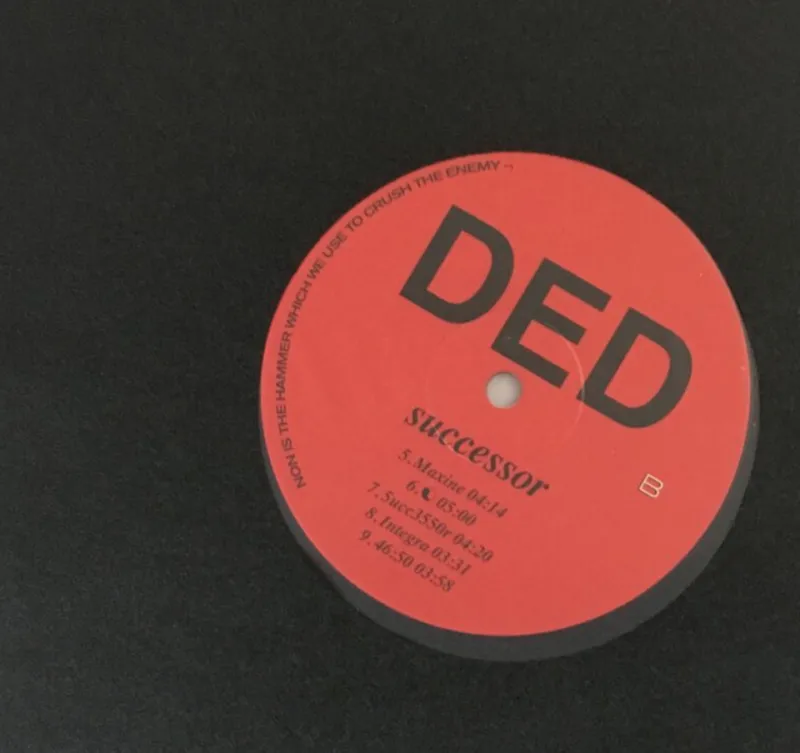
Photo: Waterface2020, CC BY-SA 4.0, via Wikimedia Commons
Open a mix from a UK selector you rate and there is a good chance the most revealing part is not the first blend. It is the description underneath: timestamps, label names, edits flagged as unreleased, a note about the vocal that never made the final cut. In 2026, the tracklist has stopped being admin. It is becoming the second performance.
The tracklist as the back-end of the art
For years, the tracklist was a courtesy. A bare list of artists and titles, sometimes pasted in after the fact, often missing the one tune everyone actually wanted. That has changed. Mix-series curators now ask for annotations before a set goes live. Radio archives label their uploads with minute markers. Selectors add notes about white labels, refixes and dubs that exist only on a hard drive in Leeds. The result is a different kind of mix document: one that rewards a second listen and gives the first listen somewhere to go.
At CSS Mixes, the test is simple. Does the tracklist help you hear the set more clearly? If it does, it is not housekeeping. It is part of the work.
Trust is built in the small print
Discovery in 2026 is noisy. Feeds are stacked with mixes, clips and algorithmic recommendations that rarely tell you where a sound came from. An annotated tracklist cuts through that. It says the selector knows what they played, respects the producers and understands that listeners might want to follow the thread. That matters for DJs building a reputation, and it matters for mix series trying to build an audience that comes back.
There is a practical trust signal too. A timestamped list with label names and edit sources tells you the selector is not guarding every door. They are willing to share the map. For listeners, that turns a passing listen into a rabbit hole. For other DJs, it becomes a research tool. For producers, it is a small but meaningful piece of credit in a culture that still runs on word of mouth.
What a proper annotated tracklist looks like
A useful annotated tracklist tends to include more than artist and title. It gives the listener enough context to dig, without turning the description into an essay.
- Artist, title and label, where known.
- A timestamp for the tracks that matter most.
- Notes on edits, refixes and bootlegs, including the source material where possible.
- Status markers such as unreleased, forthcoming or dubplate.
- A short line about the mood or intention of the mix, not a full review.
The best versions feel like liner notes rather than metadata. They tell you that a track is a rework of a UK garage vocal, or that a certain section was recorded straight to tape, or that the selector pulled a record from a shop in Bristol and has no idea who pressed it. That kind of detail is not clutter. It is the difference between a mix you enjoy once and a mix you bookmark.
From one-off listen to reference document
A well-built tracklist extends the life of a mix. It makes the set searchable. It helps a listener find the exact moment a tune appears. It gives journalists and fellow selectors a way to trace a regional sound. It also creates a small archive of taste: a record of what was being played, by whom, and in what context.
That archival value is easy to underestimate. A club set can disappear into memory. A home mix with a careful tracklist can keep circulating for years. It can become the thing someone sends to a friend with the message: this is the sound I was trying to explain. In a UK scene that has always thrived on pirate radio recordings, tape packs and passed-around files, that instinct is familiar. The format has changed. The desire to document has not.
The limits of naming everything
There is a balance. Not every selector wants to hand over every ID, and not every mix needs a forensic breakdown. Some tracks are unreleased for a reason. Some edits are meant to stay in the bag for a few more months. A tracklist can also spoil the surprise if it lands before the set has had a chance to breathe.
The answer is not to abandon annotations. It is to use them with care. Delayed tracklists, partial credits and clear notes about what cannot be shared can all work. What matters is that the listener is not left with a dead end and a shrug. The best selectors understand that credit and mystery can coexist. You can name the label without naming the dub. You can timestamp the moment without explaining the trick.
Credits where they are due
The tracklist has become a front end for UK mix culture. It is how a set introduces itself after the fact, how a listener learns, and how a selector shows their working. Done well, it turns a one-off upload into a lasting reference document. Done badly, it is still just a list. The difference is care, and in 2026 that care is increasingly audible.