Trading Places: The Unwritten Rules of the UK Back-to-Back Booth
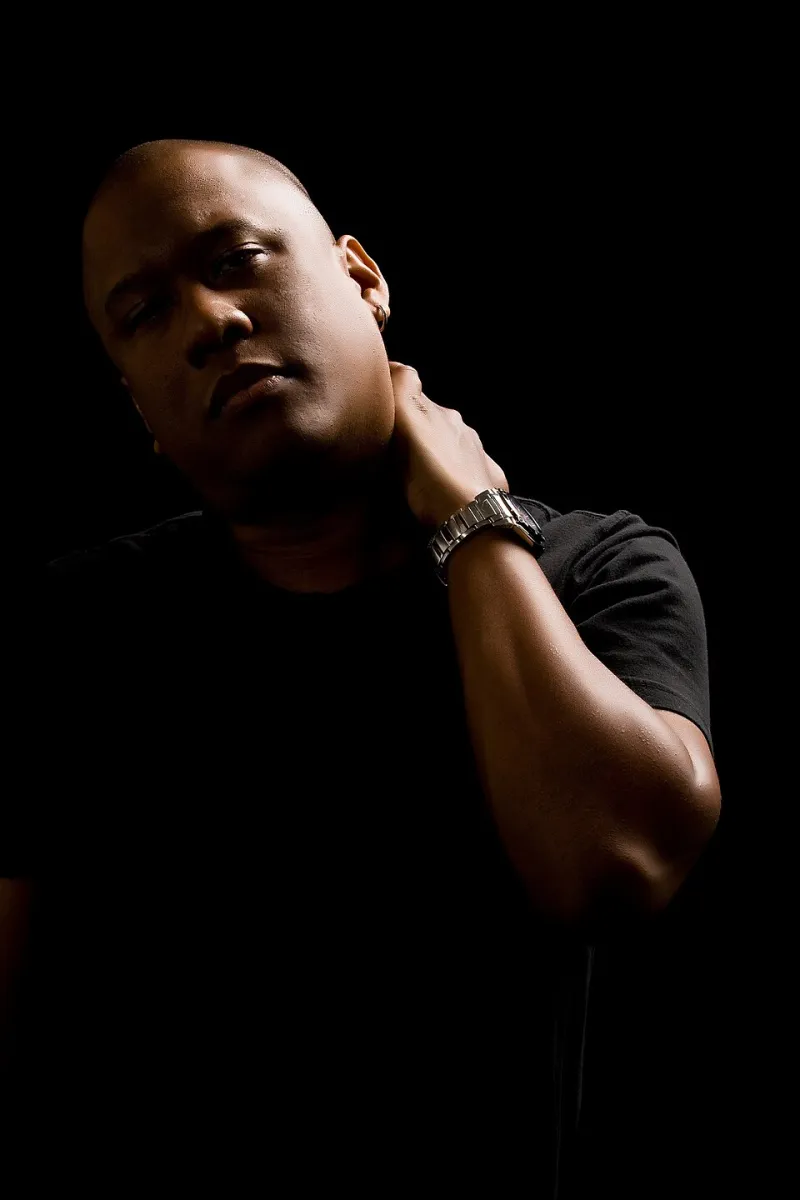
Photo: JTR, CC BY-SA 3.0, via Wikimedia Commons
There's a moment in every back-to-back set where the music stops being a plan and becomes a conversation. Two people are standing over one mixer, one pair of headphones between them, and nobody has written down what happens next. It's the closest thing dance music has to a jam session — and, increasingly, one of the formats UK crowds turn out for most eagerly.
But a B2B isn't two sets stapled together. Anyone who's stood in a booth watching one go wrong knows that. The best ones feel like a single mind with four hands; the worst feel like a hostage negotiation with a kick drum underneath.
The handover is a conversation, not a relay race
Watch an experienced pair and you'll notice the changeover is rarely dramatic. There's no theatrical swap, no arms aloft. One selector eases back, the other leans in, and the record that lands is the one the first person was already pointing towards.
That's the craft: the outgoing DJ leaves a door open rather than closing one. A track that ends on a long percussive tail, a loop that sits comfortably at a tempo the next person can work with, a vocal that hands over a mood instead of insisting on one. It sounds obvious written down. In practice it requires the outgoing DJ to think about the next 20 minutes as much as the last 20.
The disastrous version is easy to picture too. One person slams in a peak-time banger with two minutes left, the other has been building towards something deeper, and suddenly the room is being dragged backwards at exactly the wrong moment. Everybody in the booth can feel it. Most of the floor can too, even if they couldn't explain what's off.
Reading the room — together
Solo sets reward a single instinct. B2Bs demand a shared one, and shared instinct only develops if both people are actually looking at the same thing. In UK rooms especially, where a crowd can turn on a sixpence — the front-left corner that's been going mad all night, the bar queue that suddenly triples, the first signs of a floor thinning out — that shared read is worth more than any pre-prepared edit folder.
The practical vocabulary is small. Tempo is the obvious dial. Mood is the subtler one: is this room in the mood to be pushed, or does it want to be held? And space is the one people forget. Two selectors both trying to fill every gap will exhaust a dancefloor faster than any genre mismatch.
Good pairs develop a shorthand for this. A nod, a raised eyebrow, a hand hovering over the channel fader. Some talk constantly; some barely speak all night. The method doesn't matter. The shared attention does.
Where it goes wrong: the ego problem
Here's the uncomfortable part. Most bad B2Bs aren't bad because of technical mistakes. They're bad because two people are quietly auditioning.
You can hear it. Each selector plays the biggest record they've got, then the other answers with something bigger, and within half an hour the set has become a bidding war with no arc. Everything is a peak. Nothing lands, because nothing has anything to land against.
The other version is the ghost: one person defers so completely that they may as well not be there, and the whole thing becomes a solo set with a housemate standing nearby holding a record sleeve.
Both failures come from the same place — treating the B2B as a showcase rather than a collaboration. The pair who get it right are usually the ones happy to play the record that makes the room ready for their partner's record, rather than the one that makes the room look at them.
Trust is the real rider
Ask anyone who does this regularly and the answer is remarkably consistent: you can't fake chemistry, but you can build trust. Shared preparation helps. So does knowing each other's libraries well enough to avoid the awkward moment where two people pull out the same white label. Playing together repeatedly, in small rooms, before the big ones.
And there's something to be said for the smaller-scale version of this — the pub, the kitchen, the afterparty where the stakes are low and the experimenting is real. A lot of UK duos have been formed in exactly those rooms. The club just happens to be where it gets a crowd.
For listeners, the B2B is worth seeking out precisely because it can't be pre-packaged. There's no rehearsal that survives contact with a room at 3am. What you're hearing is two people making decisions in real time, in front of you, with everything to lose.
For anyone learning the craft: next time you share a booth, spend the first ten minutes not thinking about what you'll play, but about what the other person is building. The handover will look after itself.
That's the whole art of it, really. Two people, one mixer, and the quiet agreement that the set belongs to neither of you.