The One-Deck Rule: Why Less Blending Is Producing Braver UK Mixes
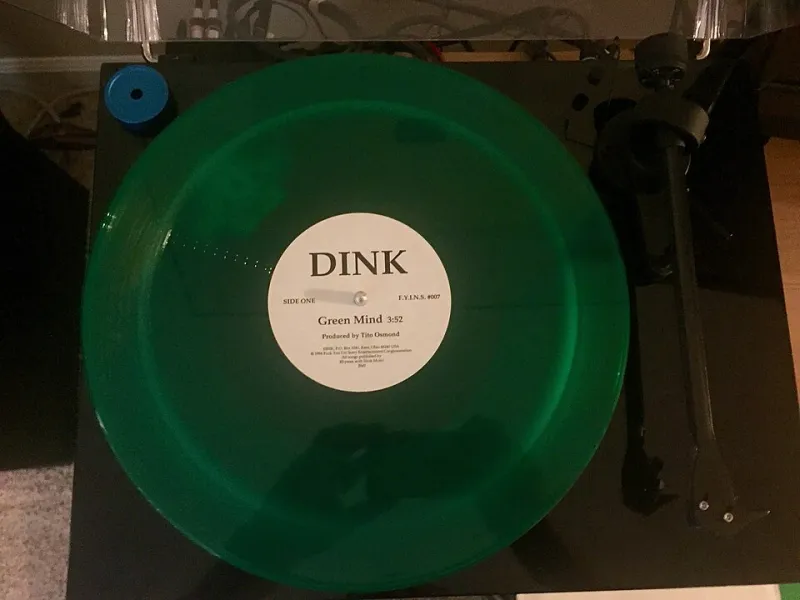
Photo: Tdknox, CC BY-SA 4.0, via Wikimedia Commons
There is a moment, about twenty minutes into a good one-deck mix, when you stop waiting for the blend and start listening to the records. No teasing EQ moves, no long transitions to hide behind, no safety net. Just a track, a pause, and the next decision. In 2026, that moment is turning up everywhere, from Leeds living rooms to the sharper end of UK radio.
It would be easy to file this under nostalgia or gear-flexing. It is neither. The single-deck mix, whether it is one turntable, one CDJ or one controller channel, is becoming a deliberate creative signature for selectors who want the music to do the talking. And for listeners, it is quietly changing what we expect a mix to sound like.
The edit is the mix
When you cannot blend, you edit. That is the first thing you notice in a strong single-deck set: the tracklist feels composed rather than collected. A vocal gets cut short because the next line would spoil the mood. A drum intro gets played in full because it buys the room a few seconds to breathe. A record that would normally be buried under a kick drum suddenly gets the spotlight.
Selectors who work this way tend to talk about sequencing the way a writer talks about paragraphs. You are not just choosing good records, you are choosing where each one ends and what the silence between them is doing. On a two-deck setup, a mediocre track can survive a quick mix out. On one deck, it has to earn its place, because everyone is going to hear it finish.
That pressure is the point. It sharpens the ear. Bedroom DJs who spend a month doing one-deck mixes often come back to two decks with better taste, because they have spent hours asking whether a record actually adds anything. Established heads use it as a reset, a way to hear their own collection again without the muscle memory of the mix taking over.
Tension without the tricks
A lot of DJ writing leans on the idea of tension as something you build with loops, filters and a well-timed breakdown. The one-deck set finds tension somewhere else: in the gap. The half-second before a record drops. The abrupt end of a familiar sample. The decision to play something slower, stranger or older than the room expects.
It is a different kind of drama, closer to a radio show than a club set. You are not being carried along by a continuous groove, you are being invited to pay attention. In small UK rooms, that works. On a rainy Tuesday in Bristol or a half-full bar in Manchester, a selector who can hold a room with choices rather than continuous mixing often lands harder than one chasing a perfect blend.
There is also a practical honesty to it. You can hear the records. You can hear the room. You can hear the selector thinking. In an era where so many mixes arrive over-polished and slightly anonymous, that rawness reads as a signature rather than a shortfall.
Why it is happening now
The rise of the one-deck mix is not a single trend with a single cause. Part of it is economic: records are expensive, space is tight, and a lot of people are working with less gear than they would like. A single turntable and a decent cartridge can be a whole practice. Part of it is attention: short mixes, radio segments and phone-friendly sets have made listeners more tolerant of edits and less patient with endless blends. And part of it is cultural. UK selectors have always had a soft spot for the bold, slightly awkward choice over the smooth, forgettable one.
There is also a reaction happening against the sameness of algorithm-friendly mixing. If every set is a seamless hour of the same tempo and the same texture, the one-deck mix becomes a way to stand out. It says: here are some records I actually love, in an order I actually mean.
How to spot a great one-deck set
Not every single-deck mix is good, obviously. Some are just two-deck mixes with the blends removed, which is a different and much duller thing. Here is what separates the great ones.
- The tracklist has edges. You can feel the selector making choices, not filling time. Genre shifts are intentional, not accidental.
- The pauses are timed. Silence is used to reset the ear, not because the DJ ran out of ideas.
- Records get room to finish. The best sets let endings do work, especially the weird ones.
- The energy moves in steps, not a line. Expect jumps, dips and moments that feel almost wrong before they make sense.
- You can hear the room. Good one-deck mixes are recorded in a way that keeps the atmosphere, not just the audio.
What it teaches the rest of us
Even if you never plan to play a one-deck set, the format is a useful discipline. Try recording twenty minutes with no blending allowed. You will quickly find out which records you actually trust. You will also find out how much of your usual mix is habit and how much is intent.
For listeners, the appeal is simpler. A one-deck set asks you to listen rather than wait. In a feed full of seamless hours, that is a rare and welcome thing. And in the UK, where so much of our best mixing culture comes from making a lot out of a little, it fits right in.
So next time you see a mix described as one deck, no blends, do not skip it. Put it on, give it your attention, and see what happens when the safety net disappears.