Play It Again: The Quiet Craft of the UK Mix That Gives More on the Second Pass
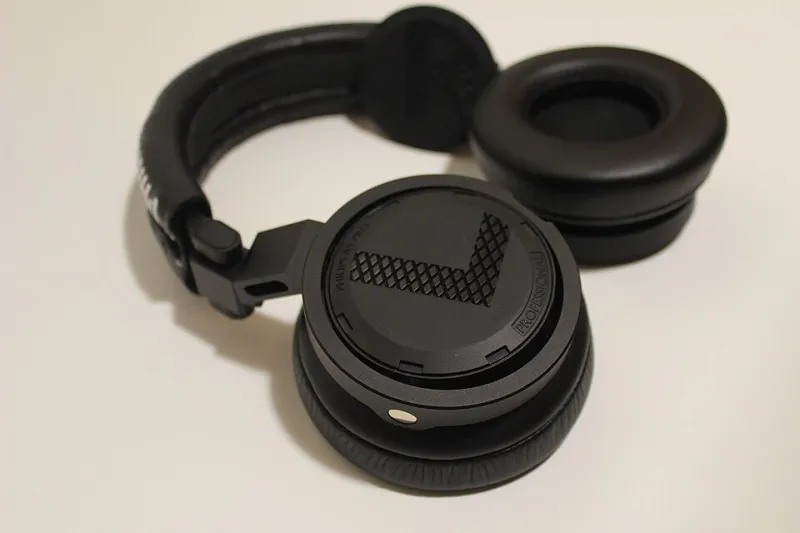
Photo: KrypteriaIV, CC BY-SA 3.0, via Wikimedia Commons
There is a particular kind of UK mix that doesn't quite land the first time you hear it. Not because it's bad — because it's busy keeping something back. You finish it, nod, move on. Then, days later, a vocal snippet floats back into your head and you can't place where you heard it. You go back. And the whole thing opens up.
That's not an accident. Across bedrooms in Leeds, studios in Bristol and late-night shows on community stations from Glasgow to Peckham, a certain sort of selector is designing mixes for the second listen rather than the first. The goal isn't to overwhelm you on contact. It's to leave a few doors ajar.
The first pass is for the room
Most mix culture still rewards the immediate hit — the drop, the blend that makes a crowd roar, the moment that clips well. Fair enough. But a mix made for headphones, kitchen speakers and the 11pm bus home plays by different rules. On first listen you're mostly tracking mood: is this warm, is it tense, does it go anywhere. You're not catching the detail.
Selectors know this. So the good ones treat the opening play as a kind of introduction, not the full conversation. The first pass sets the temperature. The second pass is where the craft shows its stitching.
This is partly a practical response to how people actually listen now. A mix isn't a one-off broadcast any more; it sits in a folder, in a queue, in a group chat link that gets passed round. It gets played on the walk to work, then again on the way back. A set that's exhausted after one airing is a set that stops earning its place in someone's rotation.
Buried vocals and slow-burn transitions
So what does a repeat-play mix actually do differently? The most common move is the half-hidden vocal. Not a full acapella pushed up front, but a phrase tucked three layers deep, or a line that only becomes legible when a hi-hat drops out for four bars. On first listen it's texture. On second listen it's the thing you hum for a week.
The same goes for samples. A loop that seems decorative first time round turns out to be quoting something — a soul cut, a grime bar, a bit of film dialogue — and that reference only surfaces once you've stopped concentrating on the drums. UK selectors have always loved a knowing nod, and this is the version of it that rewards patience rather than showing off.
Then there are the transitions. A lot of current mixes are deliberately resisting the quick cut. Instead you get a blend that takes ninety seconds, or a track that fades to almost nothing before the next one steps in. It can feel odd on first play — like the set has stalled. Play it again and you hear the point: the gap is doing work. It's giving the previous tune room to leave and the next one room to arrive. Nothing is rushed, so nothing is wasted.
Replay value as a badge of craft
There's a social dimension to all this. In a feed full of fifteen-minute quickfire sets and clip-ready moments, a mix that survives three plays says something about the person who made it. It suggests discipline, restraint, a willingness to trust the listener. It's the opposite of the sugar rush — and in certain corners of UK DJ culture, that's read as a flex.
It also changes how a set gets talked about. A one-listen mix gets a one-line review. A repeat-play mix gets a thread in the group chat, a timestamps note, a 'did you catch that bit at 27 minutes?' message. The mix becomes something people annotate, which is its own kind of compliment.
How to listen twice without it feeling like homework
The trick is not to sit down with a notepad. The best second listens are casual: put the set on while you're doing something else and let the details arrive on their own. If a transition catches you, don't rewind — just notice it and carry on. The third play is where it clicks, and by then you'll have forgotten you were ever analysing it.
There's also a case for listening on different speakers. A mix built for repeat play tends to have a lot going on in the lower-mid range and at the edges — the stuff that disappears on a laptop but shows up on a decent pair of headphones. Try it once loud and once quiet and you'll often hear two different sets.
The mix that keeps its powder dry
None of this is an argument for obscurity. A mix that hides everything is just frustrating. The best of these sets are generous on first play and richer on the second — the difference is that they don't panic. They don't throw every idea at you in the opening ten minutes. They let the run order breathe, let a good loop sit a little longer than fashion suggests, and let a vocal sneak in at the back.
It's a quieter kind of confidence. And in a UK mix landscape that's increasingly crowded, it's becoming one of the clearest signals that a selector knows exactly what they're doing — even if you need to hear it twice to realise.