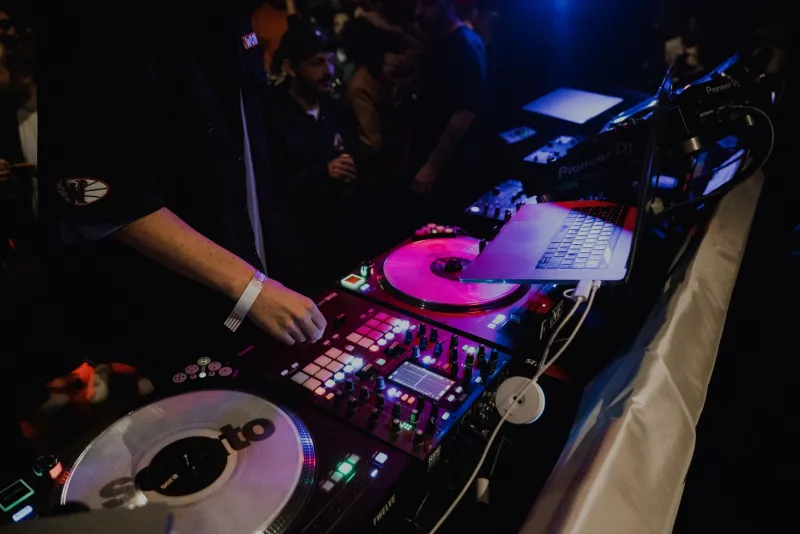
Patience Is a Selection: The Two-Hour Mix Refuses to Shrink
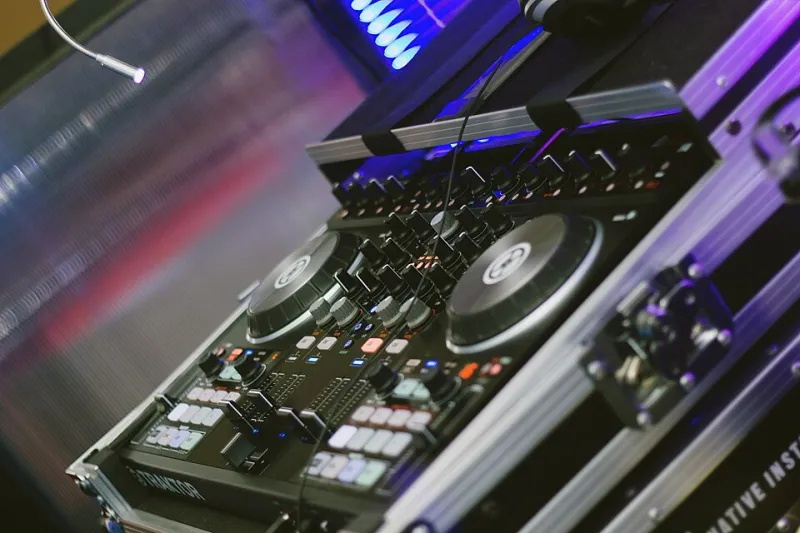
Photo: Nikkole Lulu (nikkolodeon) from Hamilton, New Zealand, CC0, via Wikimedia Commons
There is a particular kind of UK mix listener who does not press play on a set unless there is at least ninety minutes of clear diary ahead. No scrolling, no skipping, no half-listening while doing the washing-up. Just a proper sit-down. That listener has always existed, but in 2026 they are being catered for more openly than they have been in years.
For a while, the mood music around mixes was all about compression. Fifteen-minute quickfires, one-track edits, clip-length drops for the feed. None of that has gone away, and plenty of it is brilliant. But alongside the short-form boom, a quieter counter-current has been building: UK selectors making two-hour-plus mixes again, and audiences treating them less like background content and more like an appointment.
The Return of the Long Arc
A long mix is not simply a short mix with more tracks in it. That is the first thing every selector says when you ask about the form. The difference is structural. A two-hour set has room for an opening chapter, a middle section that can afford to be stubborn, and an ending that feels earned rather than bolted on. It can take a detour. It can sit in one mood for ten minutes. It can let a vocal loop breathe without worrying that the listener is about to swipe away.
That kind of pacing runs against the usual metrics. Mixes are often judged by how quickly they announce themselves, how fast the first big moment arrives, how neatly they fit into a commute. The long mix asks for something else: trust. It says, stick with me, the payoff is coming, but it will not be delivered in the first four minutes.
Sunday Mornings and Long Train Journeys
The audience for this stuff is not hard to find once you start looking. It is the person who saves a mix for the train from Leeds to London and does not touch their phone for the whole journey. It is the Sunday-morning listener who wants something that can carry them through coffee, the papers, and a slow start to the afternoon. It is the after-club listener who wants a soft landing that is not over before the kettle has boiled.
Those listening contexts matter because they shape what selectors make. A mix designed for a train window and a mix designed for a club booth are different animals. The long-form home listen can be more patient, more textural, more willing to let tracks overlap in ways that would be lost in a noisy room. It can be detailed without being fussy. It can be strange without needing to prove a point.
Pacing for Patience, Not Punchlines
When selectors talk about building a long mix, they rarely talk about bangers. They talk about weight. How much weight a track carries, how quickly it arrives, how long it lingers. A two-hour mix can afford to place a low-key dub early on because there is time to build back up. It can put the biggest moment at the eighty-minute mark and trust the listener to still be there.
That is a different craft from the quickfire mix, which often lives or dies on immediate impact. The long mix lives on accumulation. Small moves add up. A repeated sample, a shift in pressure, a gradual opening of the filters. By the time the set reaches its final third, the listener is not just hearing tracks; they are hearing the relationship between them.
It also asks more of the selector in terms of restraint. There is a temptation, when you have two hours, to fill every gap. The best long mixes do the opposite. They leave room. They let a track finish. They allow a little silence, or near-silence, to do some of the work. In a shorter mix that can feel like dead air. In a longer one it can feel like a breath.
Why the UK Is Good at This
The UK has a long history of selectors who understand the long game, from radio shows that ran for hours to club nights where the warm-up was treated as a proper art form. That lineage is still there, even if the formats have changed. The difference now is that more of it is being recorded and shared outside the booth.
There is also something practical at play. Home recording has made it easier to capture a two-hour session without a studio clock running. Digital tracklists and archive culture have made it easier to dig into long sets after the fact. And listeners, tired of being told that attention spans are collapsing, seem to be pushing back by choosing the opposite. Not everyone, obviously. But enough to make the long mix feel less like a relic and more like a deliberate choice.
The Mix That Asks You to Stay
None of this means the short mix is going anywhere. It should not. Different formats suit different moments, and a fifteen-minute burst of energy can be exactly what a Tuesday afternoon needs. But there is something healthy about a scene that can hold both. The quickfire mix and the two-hour odyssey are not opposites; they are different ways of respecting the listener’s time.
The long mix respects it by asking for more of it. It says: give me a proper hour, or two, and I will give you something that unfolds. That is a bold ask in 2026. It is also, judging by the selectors and listeners quietly building their Sunday-morning queues, an ask that more people are happy to accept. The long haul is back, and it is in no rush to arrive.