Soft Focus, Low Ceiling: The Quiet Craft of the UK Come-Down Mix

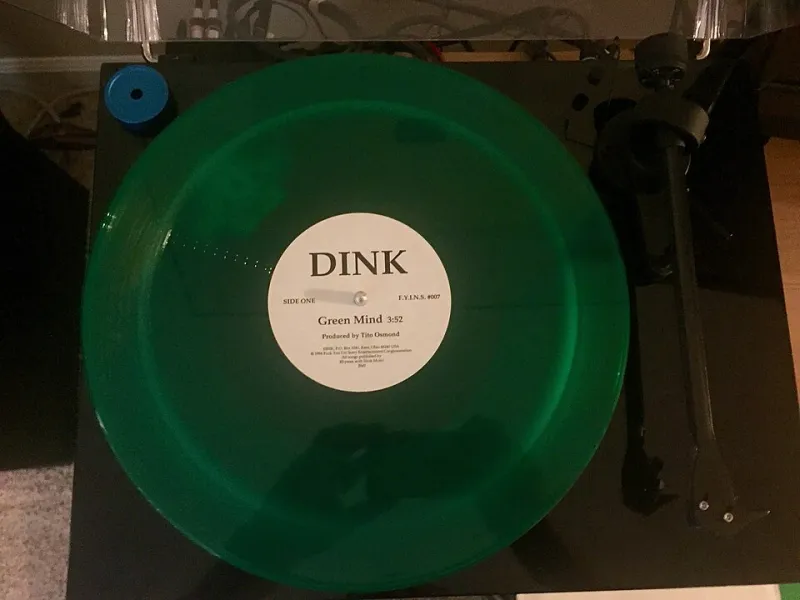
Photo: Sunday morning vinyl record player sunlight coffee cup UK flat, via wishes.photos
It is 8:47 on a Sunday morning in November. The kettle is doing its second boil, the curtains are half-open and someone in a flat above a bakery is playing a dub record at a volume that suggests they have nowhere to be. This is the come-down mix: not the afters, not the chillout room, but the slow, soft landing after the club. And in the UK, it is quietly becoming its own discipline.
For years, the come-down was something you made for yourself — a scruffy playlist, a few YouTube links, a friend's hard drive. Now selectors are building it as a form. Mix series are commissioning Sunday editions. DJs who spend Saturday night in the peak-time trenches are posting low-BPM sets on Sunday afternoon. Listeners are saving them for dog walks, batch cooking and the long train home. The result is a growing catalogue of music for the hours when the body is still buzzing but the brain has already gone home.
The Sunday Reset Is Not a Chill Playlist
The first thing to say is that a come-down mix is not a 'chillout' playlist with the edges sanded off. The best ones have intent. They use low BPM soul, ambient, dub, library music, odd folk, spoken word and the kind of records that sound like they were recorded in a room with a damp carpet. They are sequenced, not shuffled. They leave space. They understand that after a night out, the listener is not passive — they are tender, alert and easily spooked by a drop.
Selectors talk about the 'Sunday reset' in practical terms. It is about lowering the ceiling. A peak-time set works by raising tension; a come-down set works by removing it. That might mean a slow glide through gospel-tinged soul, a run of dub plates with the reverb turned up, or an ambient passage that makes the room feel bigger than it is. The craft is in the pacing, not the genre tags.
The Rules of the Slow Hours
Ask anyone who makes these mixes regularly and you will hear a similar set of unofficial rules. Keep the tempo low and steady — somewhere between 70 and 110 BPM, with no sudden leaps. Avoid vocals that are too euphoric or too wounded; you want warmth, not a therapy session. Use one oddity every fifteen minutes or so: a field recording, a strange cover version, a piece of library music that sounds like a lift in a hotel that does not exist. Let tracks run long. Fade rarely. And always sequence for the listener who might be doing something else — washing up, staring out of a window, trying to remember where they left their keys.
There is also a rule about what not to play. No ironic party tracks. No big-room edits with the vocals pitched up. No 'chill' house that is really just peak-time house with the drums turned down. The come-down mix has to feel like it was made by someone who understands the night it is following. That is why so many of the best ones come from selectors who also play clubs. They know what the listener has just been through.
Rituals Around the Turntable
The listening ritual matters too. This is music for the morning after, so it comes with its own choreography: phone face down, coffee in a mug that is too big, curtains open but not fully. Some people save the tracklist for later. Others read it like a Sunday supplement. The mix becomes a way of easing back into the world — a bridge between the club and the week ahead.
In 2026, that ritual is being formalised. Mix series are building Sunday schedules. Selectors are recording at home, often in one take, with the hiss of the room left in. Record shops are reporting a Sunday bump for soul, dub and ambient reissues. And listeners are trading links in group chats with the same seriousness they once reserved for Friday night line-ups. The come-down has become a place to be, not just a way to recover.
2026 Mixes Worth Your Sunday
A few standouts have set the tone this autumn. 'Second Cup, No Rush' is a Manchester-made series that moves from slow soul into dub techno without ever breaking a sweat; it is the sound of a kitchen that smells of toast and rain. 'Damp Pavement Gospel' out of Bristol leans on gospel, folk and odd choral records, sequenced with the patience of a long bus ride. 'Cold Tea Dub' from Glasgow is exactly what it says — reverb-heavy, bass-led and strangely comforting, like a conversation you do not want to end. And 'The Long Way Round' is a London selector's Sunday walk mix, all ambient drift and soft-focus soul, designed for headphones and no particular destination.
None of these are trying to be the biggest set of the year. They are trying to be the right set for the right hour. That is the quiet confidence of the come-down mix: it knows its job. It is not there to wake you up. It is there to help you land. And in a UK mix culture that has spent years chasing peak-time intensity, that feels like a genuinely useful shift.